
- Choose a refresh when the site only looks dated, and a full redesign when the business or the platform has moved on
- Write the goal as a number and record a 12-month baseline before briefing anyone
- Budget for tracking from the start, the line most often left out, and for the year after launch
- Choose the platform by who will run the site day to day, with one decision maker for sign-off
- Protect search traffic with 301 redirects kept for at least a year, then judge results against the baseline
Quick answer
Plan a B2B website redesign by agreeing one measurable goal and recording a 12-month baseline first. Then set a budget range, pick one decision maker and choose a platform your marketers can run. Protect existing traffic with a redirect map, rebuild tracking before launch, and judge the new site on qualified leads against that baseline.
A lot of website redesigns begin with someone in a meeting saying the site feels a bit tired. It's a fair feeling, and it has started plenty of expensive projects with no clear finish line.
The redesigns that pay off start with what the site has to do for your pipeline, then work back to the design, the platform and the plan.
This guide takes a B2B redesign from the first conversation to the first 90 days after launch. It covers the goal, budget, team, platform and timeline, then how to protect your search traffic and prove the new site works.
1. Do you need a website redesign or a refresh?
A refresh changes how the site looks and reads: new copy, new imagery and a tidier homepage. A redesign changes how the site works, from its structure and platform to the path a buyer takes from first visit to booked call.
If the site converts well and simply looks dated, a refresh of your key pages may be enough, and it's quicker and cheaper. A full redesign earns its cost when the problem sits deeper, in how the site is built or the story it tells.
SwissPasses, a Swiss rail and travel company, is a good example of the deeper kind. Its legacy site had passed its fifteenth birthday and become slow, outdated and difficult to manage. The design team and developers rebuilt it from scratch, including a booking system that handles over 20,000 data and pricing points (SwissPasses case study).
Repositioning is the other common trigger. Swap launched in 2022 on a Webflow site we built, then grew quickly and rebranded around a new product. The new site had to explain a technical offer in plain terms for e-commerce owners, and it had to go live within a few weeks (Swap case study).
That second trigger is the one we see most often. When clients come to us for a full redesign, their business has usually changed, and their website no longer represents their offering or what they do.
Signs it's time for a full redesign:
- Your product or positioning has changed since launch
- Simple page edits need a developer
- Key pages are slow on mobile
- Demo requests are falling while traffic holds
- Sales have stopped sending prospects to the site
2. What should a B2B website redesign achieve?
Your website does a lot of selling before anyone gets to talk to you. In 6sense's 2025 research with more than 4,000 buyers, 94% of buying groups had ranked their preferred vendors before their first contact with a seller (6sense via Business Wire, 2025).
So the goal belongs in the language of your pipeline. For most B2B teams that means more qualified demo or call requests, from the kind of accounts you want to win.
Write the goal down as a number, then record a baseline from the last 12 months: sessions, key events by source and your top landing pages. Google Analytics now calls the actions that matter to your business key events, which used to be called conversions (Google Analytics Help).
Next, write down who the site is for. A B2B purchase usually involves a small group of people, so list the two or three roles that visit and what each needs to see before booking a call.
Agree all of this before anyone opens a design tool. The homepage hero debate is far shorter when everyone has already agreed what the homepage is for.
- One goal, written as a number
- A 12-month baseline from GA4 and Search Console
- The two or three buying roles and their questions
- What stays: brand, domain and key URLs
- What success looks like at 90 days
3. How much does a B2B website redesign cost?
Cost follows scope. The number of page templates, the amount of content to write, the integrations and any change of platform are what move the price most.
Content is the line most budgets underestimate. Someone has to write and approve every page, and that person usually has a day job already.
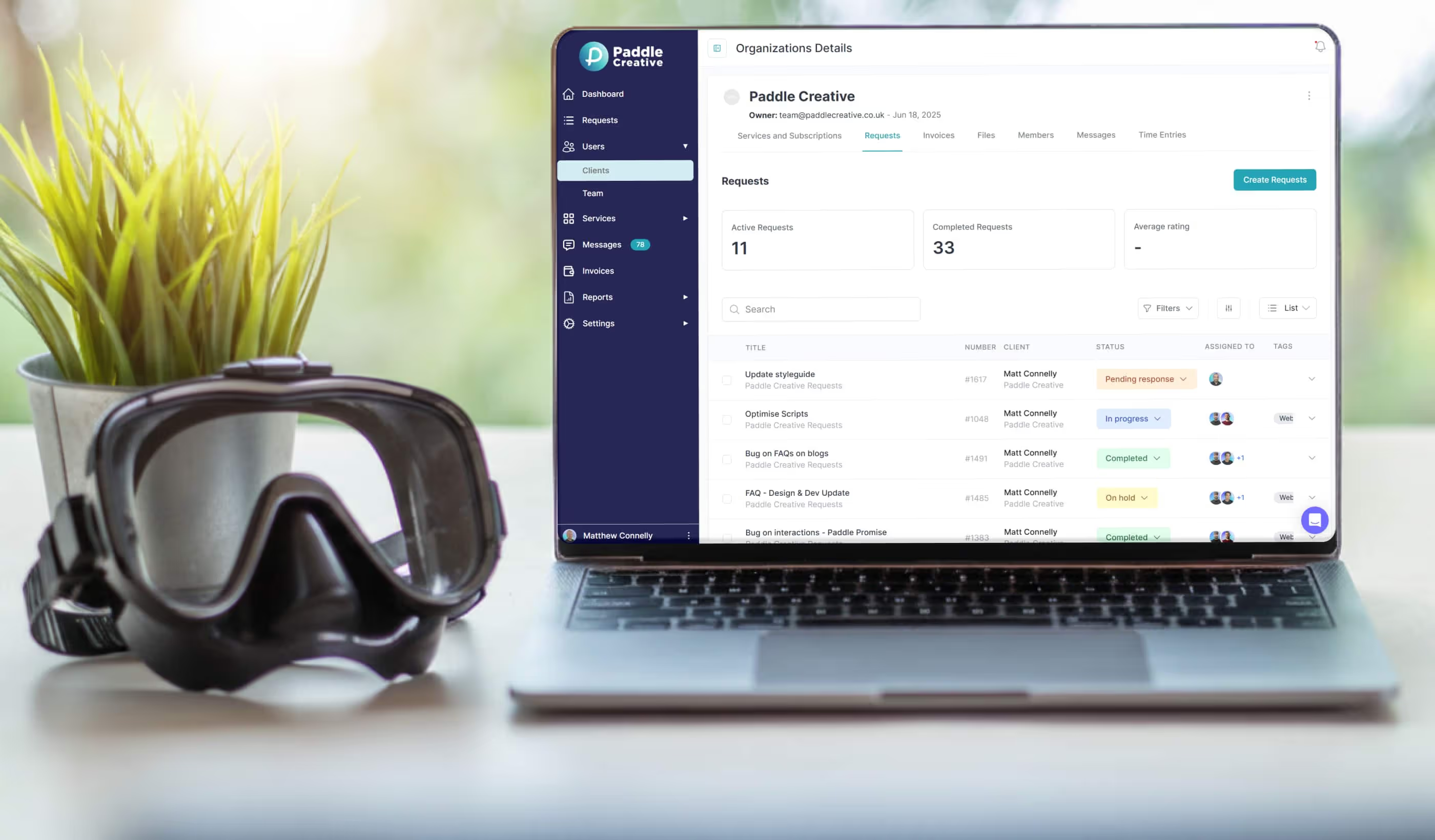
For reference, Paddle Creative's website design and build starts from £5k + VAT (about $6,700). Branding and a website together start from £9,500 + VAT (about $12,750) and take 4 to 6 weeks, with the final price confirmed once the scope is clear.
Budget for the year after launch as well. A site that nobody looks after soon drifts, so set aside hours or support for fixes and new pages.
The line we see left out most often is tracking and measuring success. Agree the benchmark early and make sure you can measure against it. Then keep some budget back to update the site when the metrics point to a change.
Lines to cover in the budget:
- Planning and strategy
- Copy and content
- Design and build
- Integrations
- Tracking and measurement
- Migration and redirects
- Support and updates after launch
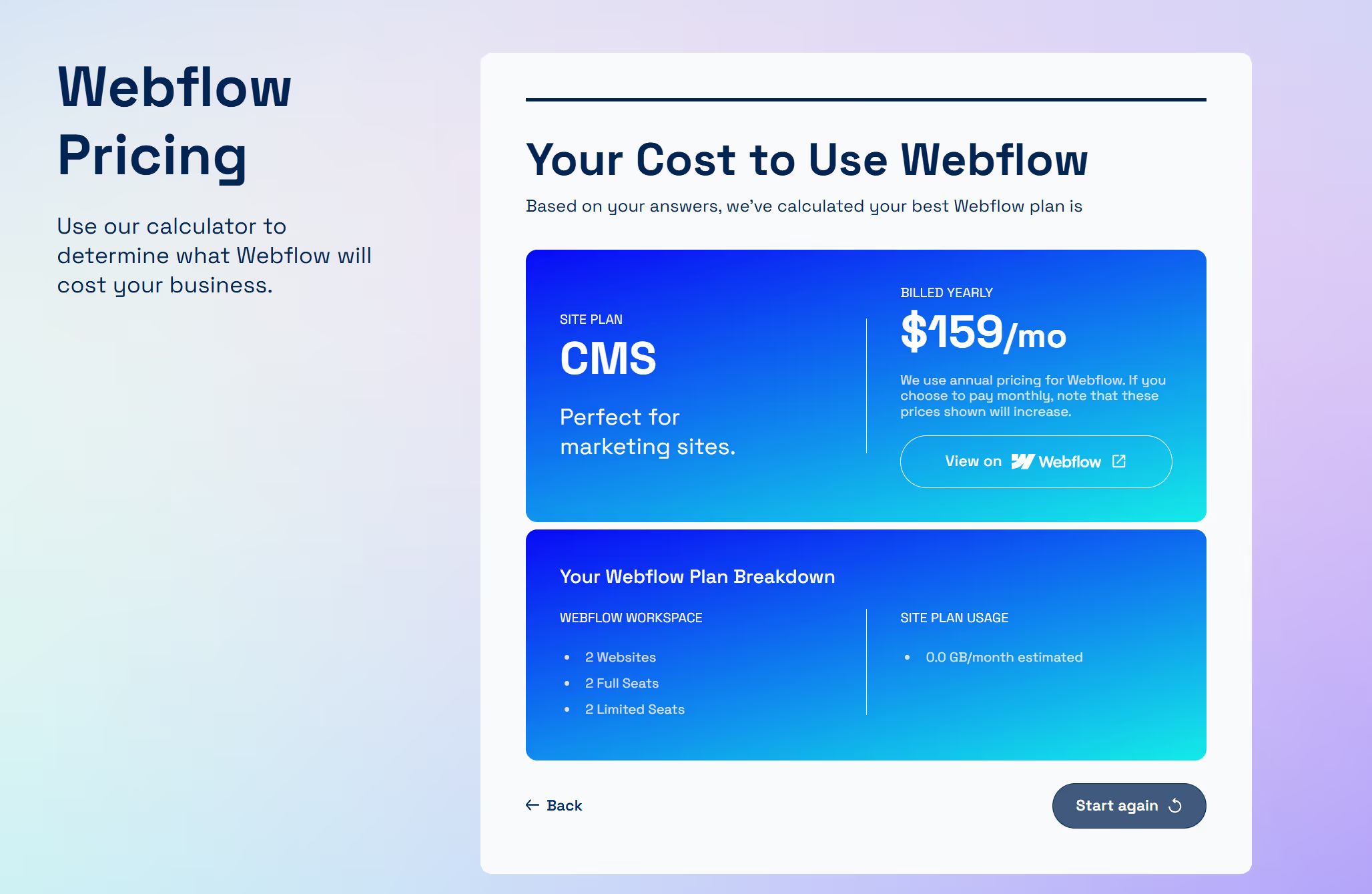
Our guide to what a B2B website costs breaks down UK and US price ranges, and budgeting for a Webflow site covers the running costs.
Our website team helps you set the goal, budget, platform and migration plan, then designs and builds the site. Book a call.

4. Who should be on your website redesign team?
A redesign moves faster with a small team and clear roles. One person signs the site off, and a few reviewers each cover a clear area.
Pick the decision maker first, usually the head of marketing. Every extra approver adds another round of "just one small tweak", and those rounds quietly add weeks.
Sales deserve a seat too, because they know what buyers ask before they book a call. Bring in whoever owns the CRM and tracking early, since forms and lead routing touch both.
Then decide who does the work. If your team has the skills and the hours, you can run parts of it in-house. An agency brings strategy, copy, design, build and SEO at once. At Paddle Creative, a project manager keeps everyone working to one plan, your reviewers included.
- One decision maker
- Named reviewers, each with a clear area
- Sales input on buyer questions
- The CRM and tracking owner, from week one
- A delivery team with a project manager
5. Which platform should your new website use?
Platform choice decides who can change the site and what it costs to run. That makes it a marketing decision as well as a technical one.
WordPress runs 38.5% of all websites, according to W3Techs data from November 2026, and 33% of sites use none of the content management systems it tracks (W3Techs, 2026). Popularity is a fair starting point, and the right choice depends on who will run the site.
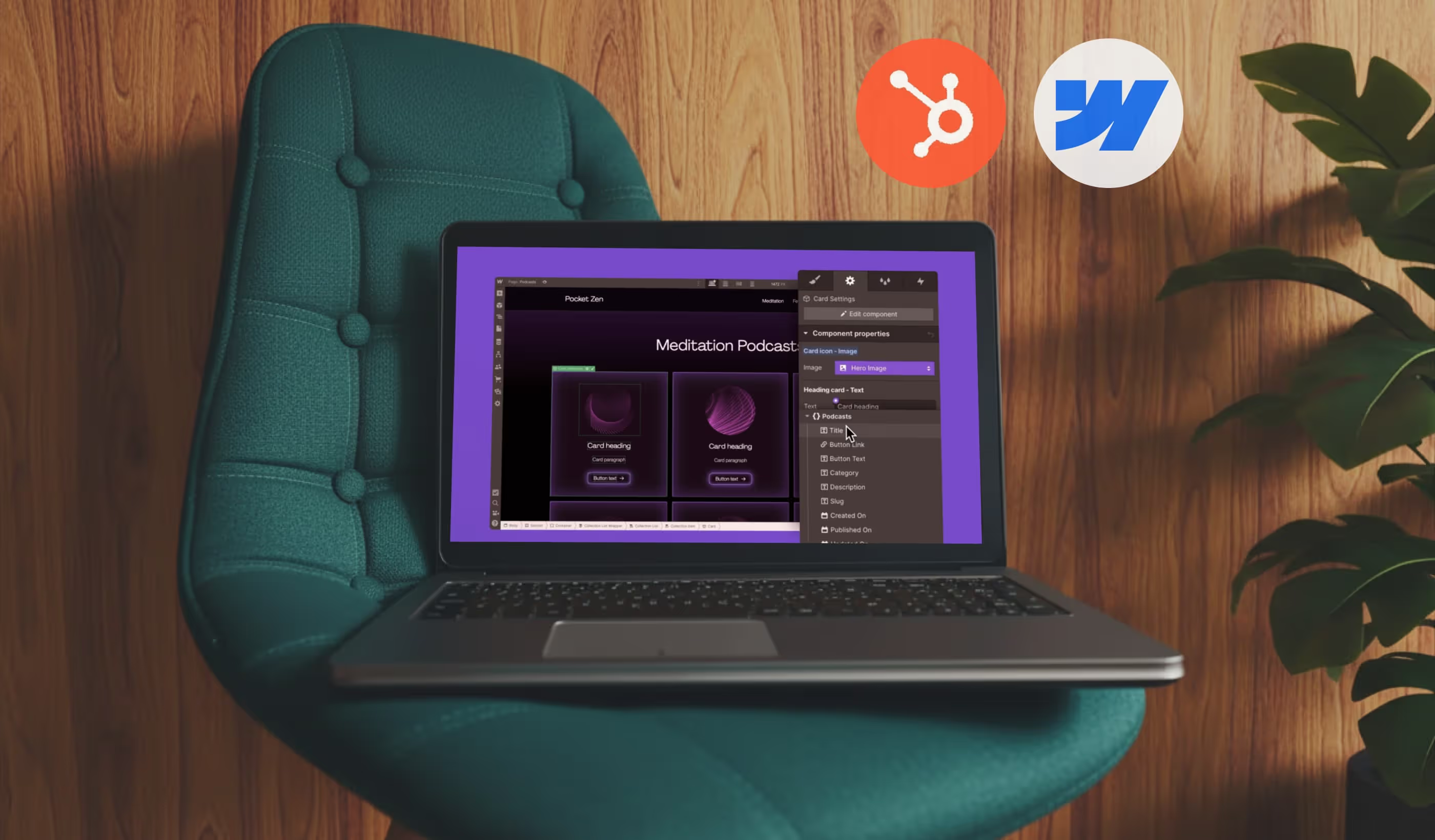
Most B2B marketing sites land on one of three routes. A visual builder such as Webflow lets marketers edit pages and the CMS without a developer, with hosting and security looked after. WordPress has a huge plugin library, and it needs regular updates and security care in return. A headless CMS such as Sanity, paired with a framework like Astro, suits sites with lots of structured content and a developer on hand.
We build on Webflow, on Astro with Sanity and on others, and choose by what your team needs in year two. Changing platform during a redesign adds a migration, so plan the content move and redirects from day one. Our comparison of Webflow and WordPress covers the trade-offs, and the WordPress to Webflow migration guide shows the steps.
Questions to settle before you choose:
- Who will edit pages day to day?
- Which tools must it connect to?
- Do you need more than one language?
- Who looks after hosting, security and updates?
6. How long does a website redesign take?
Most B2B redesigns move through the same phases, whatever their size. The biggest variable is usually how quickly feedback and content come back from your side.
- Discovery: the goal, baseline, audience and sitemap
- Content and structure: page plans, wireframes, copy and the URL map
- Design: the homepage and key templates first
- Build: the CMS, integrations, forms and tracking
- Testing and launch: QA, redirects and migration checks
- The first 90 days: fixes, measurement and improvements
A focused branding and website project with Paddle Creative takes 4 to 6 weeks. Larger sites with many templates, complex integrations or a platform change take longer, so ask any agency for a week-by-week plan before you sign.
Leave a buffer before your busiest sales month, and keep launch day well away from the Friday before a bank holiday. Your developers will thank you, and so will your weekend.
7. How do you protect your SEO and AI visibility during a redesign?
Search traffic built up over years can drop within weeks if old URLs break. The fix is a redirect map, a plain spreadsheet that pairs every old URL with its new home, set up as permanent 301 redirects.
Google says permanent redirects don't cause a loss in PageRank, and its advice on how long to keep them is clear:
"Keep the redirects for as long as possible, generally at least 1 year." (Google Search Central, 2026)
The same guidance says visibility may fluctuate during a move, and a small to medium-sized site can take a few weeks for most pages to move.
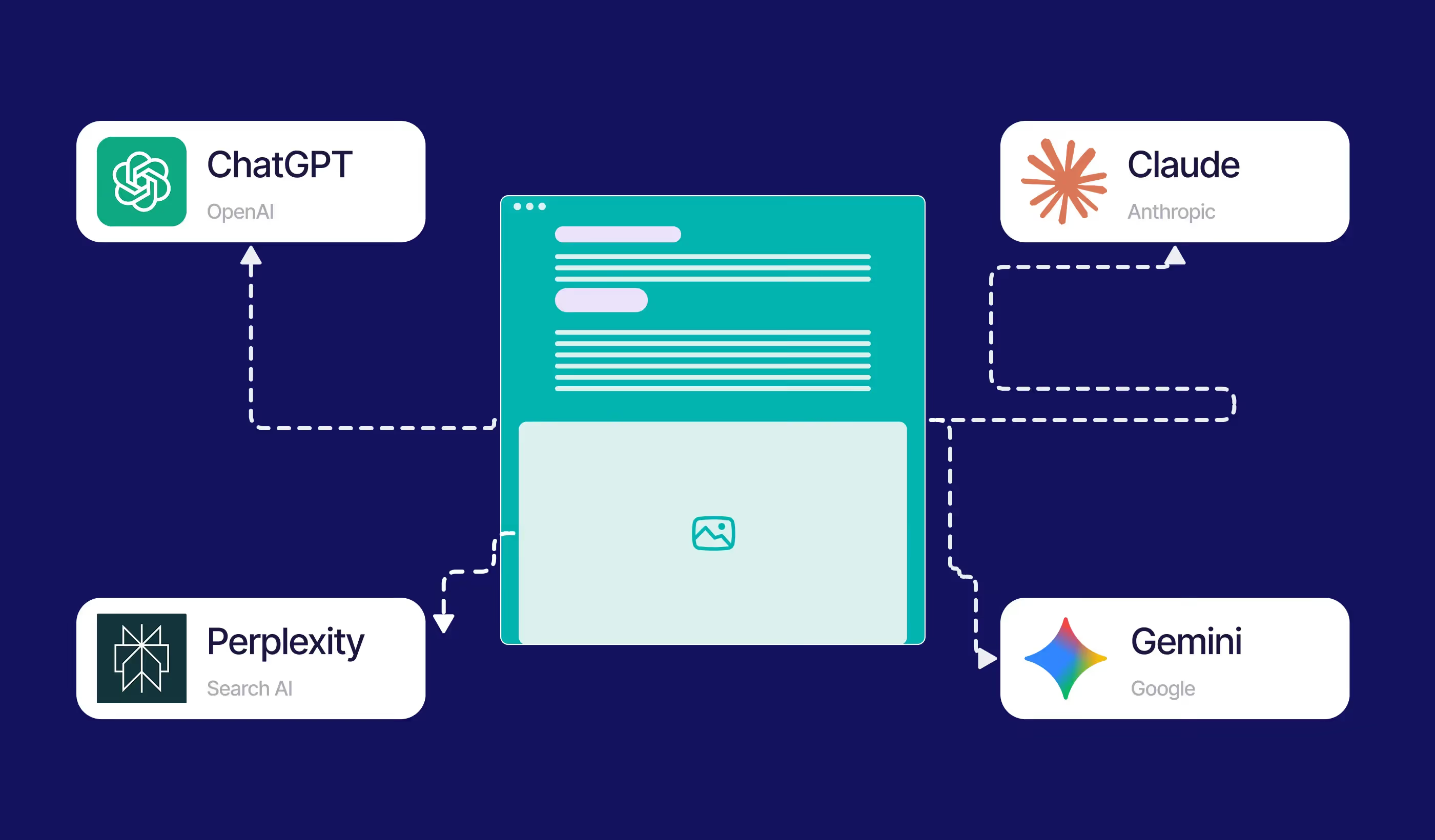
AI search follows the same foundations. Google says there are no additional requirements to appear in AI Overviews or AI Mode beyond being indexed and eligible to show with a snippet (Google Search Central, 2025). So the basics carry straight over: crawlable pages, clear internal links, important content in text and structured data that matches the page.
We also put a direct answer near the top of each key page. People skim, and AI tools tend to quote pages that answer the question plainly. Our guides to website structure and sitemaps and AI search optimisation go further, and our website redesign checklist turns all of this into launch-day checks you can tick off.
- Crawl the old site and export every URL
- Keep, merge or retire each page
- A 301 redirect for every URL with traffic or links
- Titles, descriptions and schema carried over
- A direct answer near the top of key pages
8. How do you know if your website redesign worked?
On the redesigns we see, tracking is often the afterthought. Yet it's how you understand success, and it's what lets you keep improving the site after the migration.
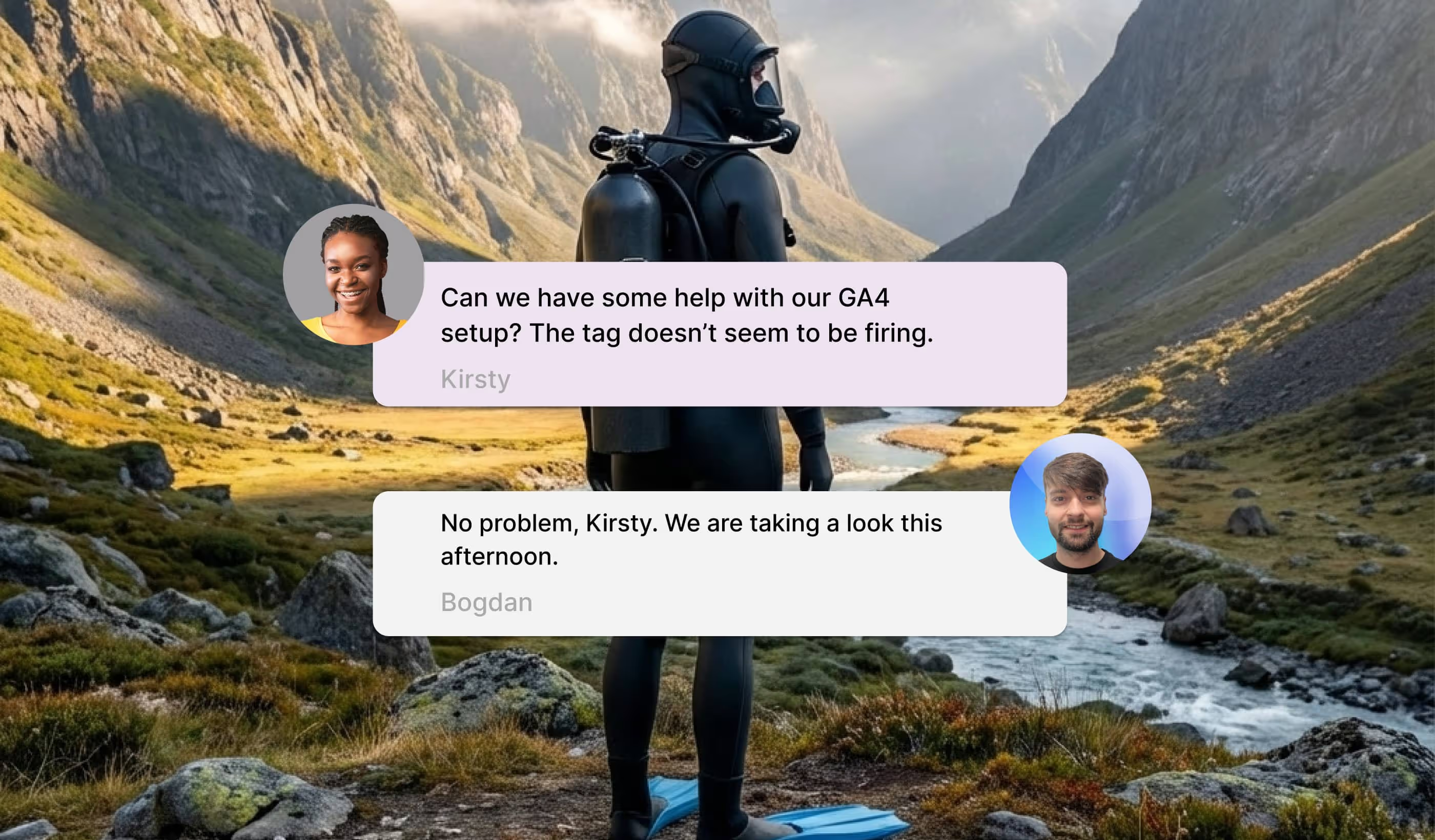
So plan tracking alongside the build. Map every form to where its data goes, set up GA4 key events on staging, the private copy of the new site, and test each one before launch. Our guide to tracking conversions with GA4 and GTM shows the setup.
Expect a temporary dip in traffic after launch. The fewer changes you make to URLs and structure, the smaller it will be, and within 30 days you'd expect traffic to be climbing again.
Sometimes the number stays lower by design. If the new site has a new focus, or it has dropped traffic that was never relevant, a smaller total can be the right result. That's why you judge the site against your baseline, with qualified leads by source sitting beside total visits.
Speed belongs in the scorecard too, measured with Google's Core Web Vitals for loading, responsiveness and visual stability. A good score means the main content loads in 2.5 seconds or less, the page responds within 200 milliseconds and layout shift stays at 0.1 or less (web.dev, 2024).
- Qualified demo or call requests, by source
- Conversion rate on key pages
- Organic traffic to pages that existed before
- Core Web Vitals on mobile
- 404s and redirect errors in Search Console
A redesign gives you a better base, and the gains come from the testing and publishing you do on top of it. Let the metrics tell you which pages to change first. If you'd like a second pair of eyes on your plan, book a call with our website team.
Sources
- 6sense 2025 Buyer Experience Report announcement, Business Wire (2025)
- Conversions vs. key events in Google Analytics, Google Analytics Help
- Usage statistics of content management systems, W3Techs (November 2026)
- Site moves with URL changes, Google Search Central (updated 2026)
- AI features and your website, Google Search Central (updated 2025)
- Web Vitals, web.dev (updated 2024)
Author
Fact Checked By